Comet's Gift
Over four billion years, our rock's geology transformed its gift from the comets into limitless oceans with waves of surreal beauty. Seeing a wave's ephemerality and its vigor to embrace everything in its way always reminds me of uninhibited expressions of intense human emotions. Yet, those waves are oblivious to our presence and existed every moment since water was gifted to the planet. The videos in this page were aerially shot along the Pacific coasts of the United States.
You may also like
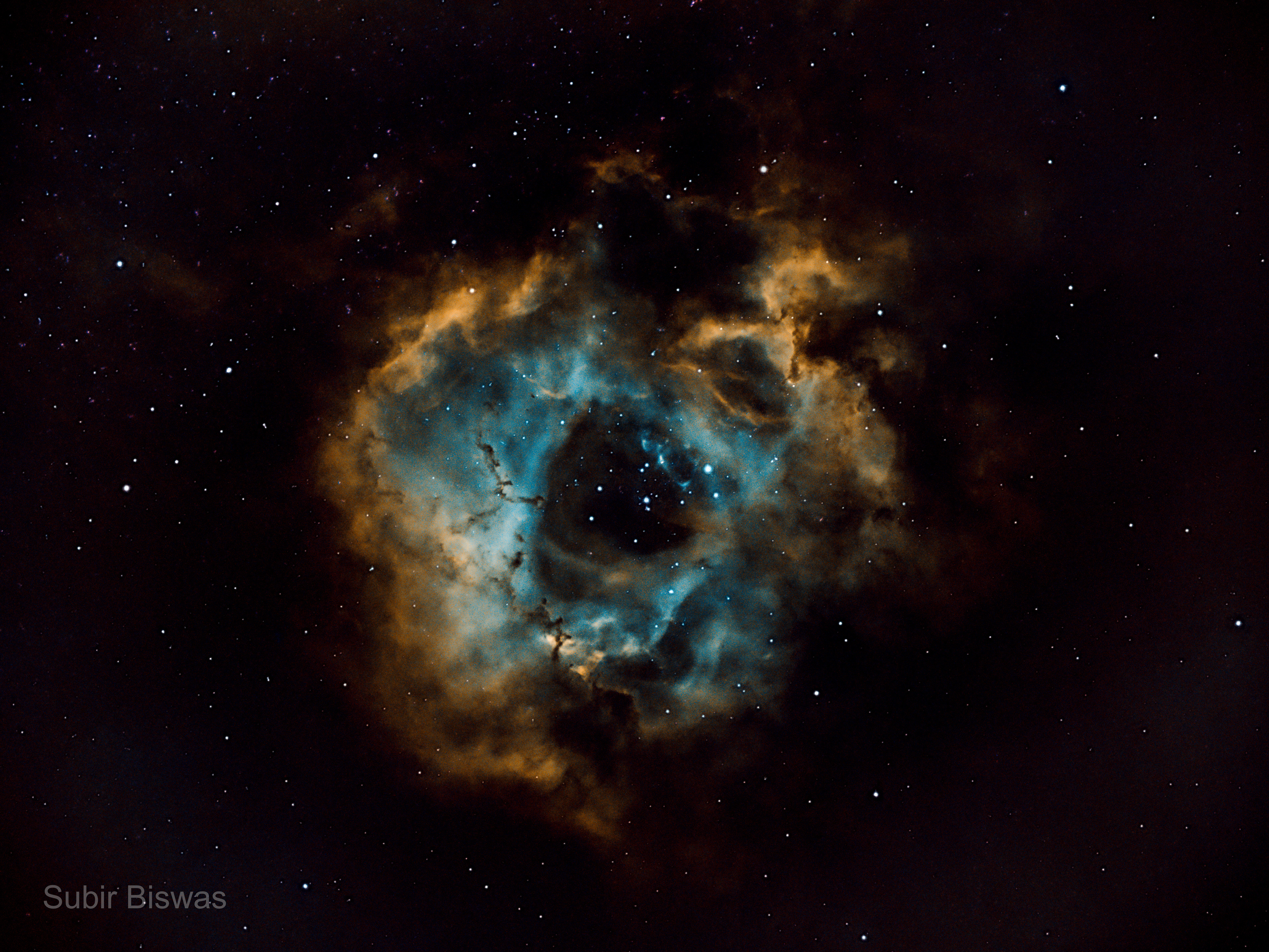
The Heavens
2020
Contemplating astronomical objects and their dimensions is known to be corrosive to one's self-perceived importance in a cosmic context. A season of pandemic-triggered lockdown which prevented going out in the nature led me to explore the world of imaging the nature above. Why image an astronomical object? The look of it has not changed over millennia, already imaged millions of times from this planet and from space, and often with quality that an amateur astronomer can only dream of. It is, I found, not the image itself, but the awe it inspires by the feeling of being able to look into millions of years back in time, and distances that our brain had not evolved to be able to fully comprehend. I am learning to fall in love with the intoxication of the sense of being part of something whose vastness can let one's ego dissolve into insignificance! No one expressed it better than Carl Sagan in his book Pale Blue Dot. Astro-imaging is an enduring test of one's patience and perseverance that demands countless nights under the stars, with crickets, mice, deers, badgers and many other living parts of the Universe.
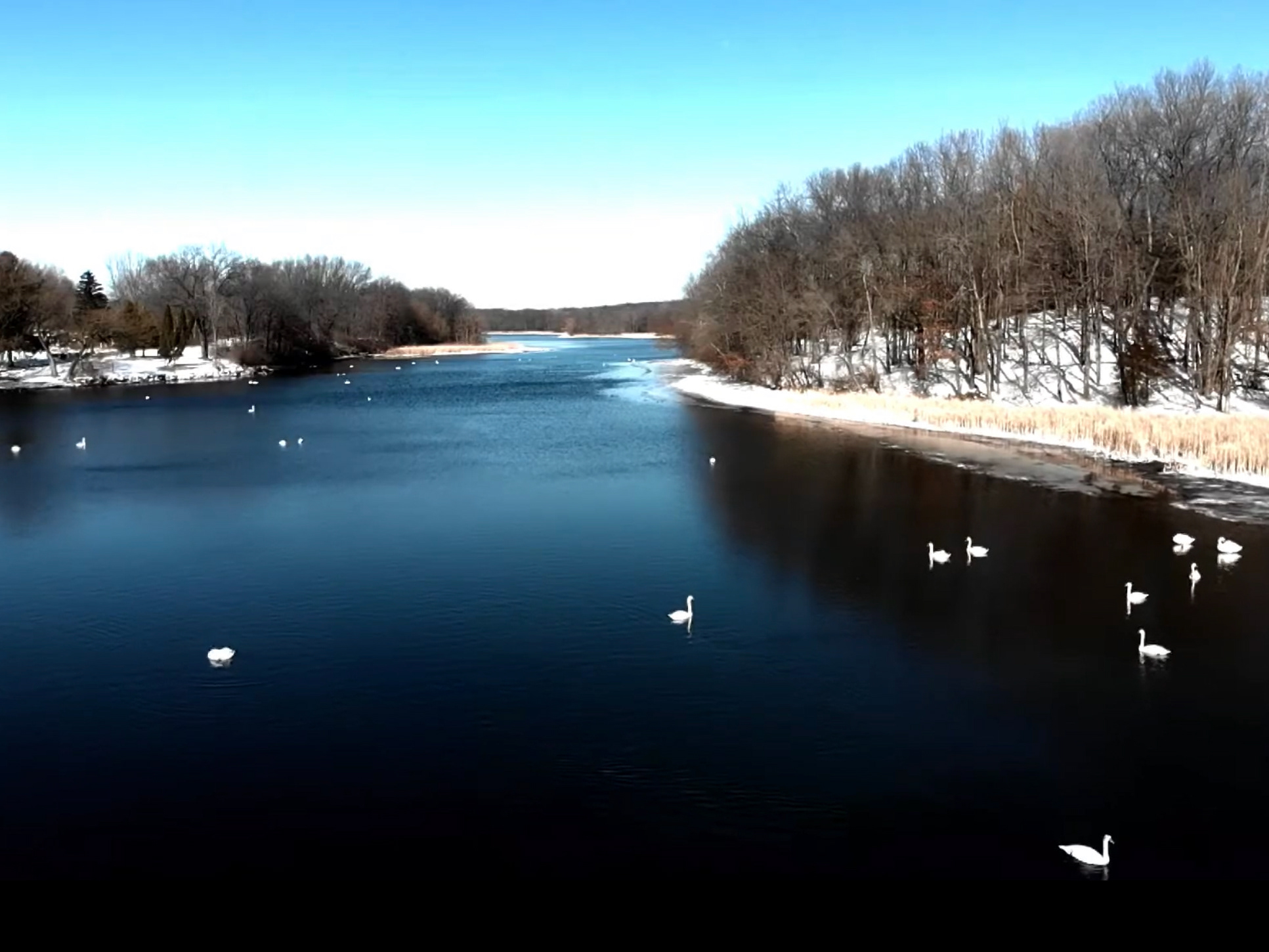
Flying out of Self
2020
There come moments when physical constraints of existence are dissolved by cortical simulations of reality, we call imagination and desire. Like the desire to fly over a swan river. The shot on this page was an unexpected gift during a late-winter hike by the river Huron.

Neurowners
2019
At certain point in evolution, neurons showed up. Along came the unbelievable abilities to believe, love, cry, and empathize with other neuron owners. This was a turning point for our planet. While silently nurturing them, it became a hostage of those neurowners somewhere along the way.
The images on this page are about those neurowners.

Whims of the Cortex
2019
Over millions of years, neurons teamed up and formed the cortex of our brain. Cortex allows abstract thinking and unnatural yet fully natural actions like contemplating the cortex itself. Eventually, human cortex "highjacked" evolution form the planet!
The images on this page are about whims of that cortex.

Stunning Moments
2019
After thirteen billion years since coming into existence, and going through many stellar cycles, the particles in our cosmos create those completely random, yet stunningly beautiful moments. They are always there. They just wait for us to be awake and to be witnessed!
The images on this page are a few that I chanced upon!
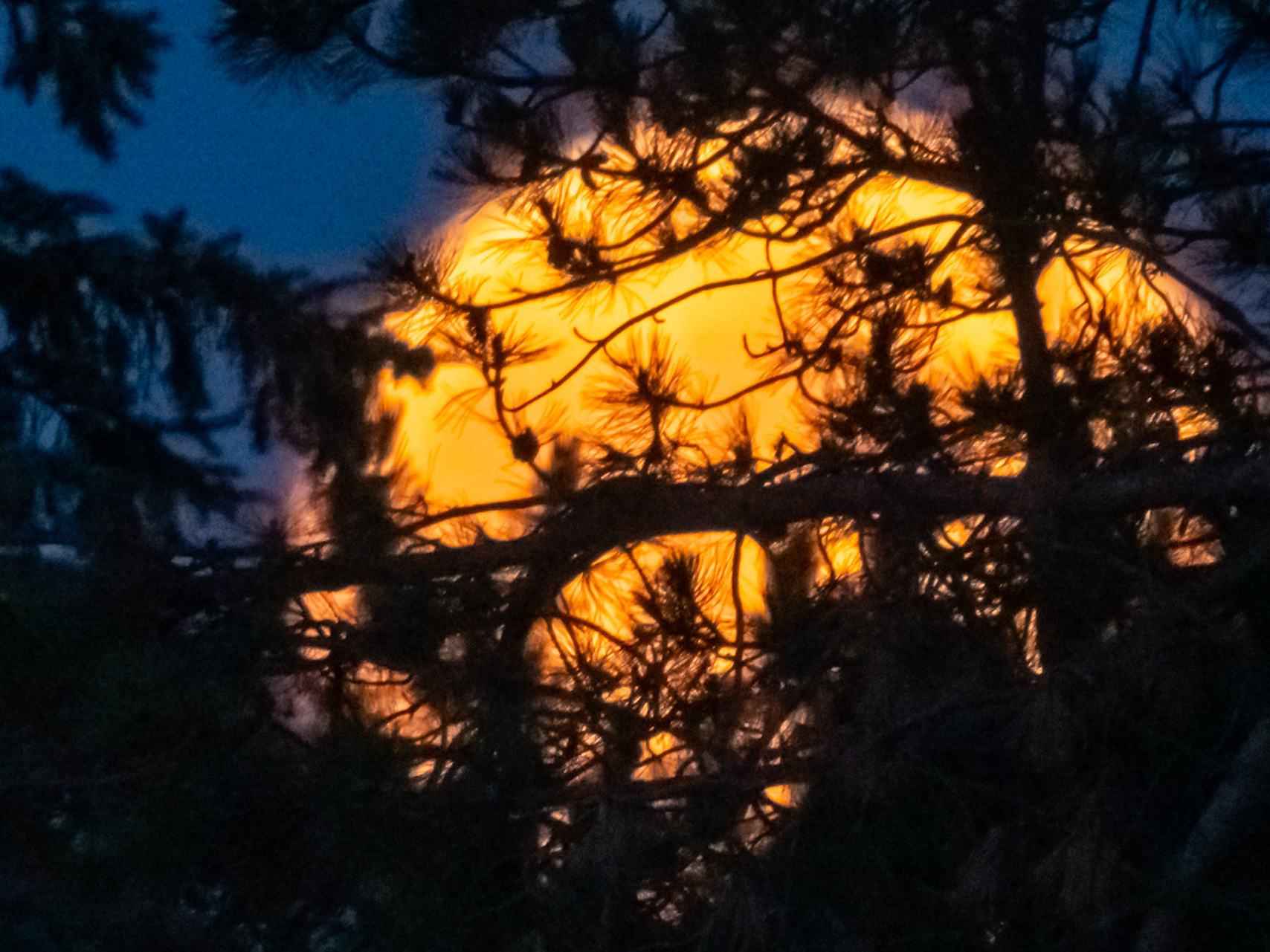
Dreamers Rock
2020
All major languages relied on our moon as a metaphor to create odes of dream, love, and softness. Its liquid yellow-whiteness covers oceans and mountains while mellowing human emotions into expressions. The cycles and phases of this rock had provided cultural references and influences for human societies throughout history. Its influences can be found in language, calendar systems, art, and mythology. Moon also majorly influences our climate by stabilizing Earth’s axial tilt, which is responsible for the seasons. Without moon, climatic extremes caused by seasonal irregularities may have prevented life from evolving on this planet. From a distance of quarter of a million miles, moon also contributes to our oceans’ tidal cycle, which transports heat around different parts of world’s oceans and impacts evolution and speciation of life. The satellite is receding from us about 1.5 inches every year, making the days and nights increasingly longer by slowing down Earth’s spin. This page contains a few images of our Dreamers Rock!

Raw Visuals
2019
Judgments and searching for patterns in sensory experiences are how human mind evolved. Yet, mindfulness in many contemplative traditions values raw sensory experience without judgments and classifications, which are inherently subjective and arguably distracting! Images on this page are not categorized and left without captions for promoting raw visual experience.
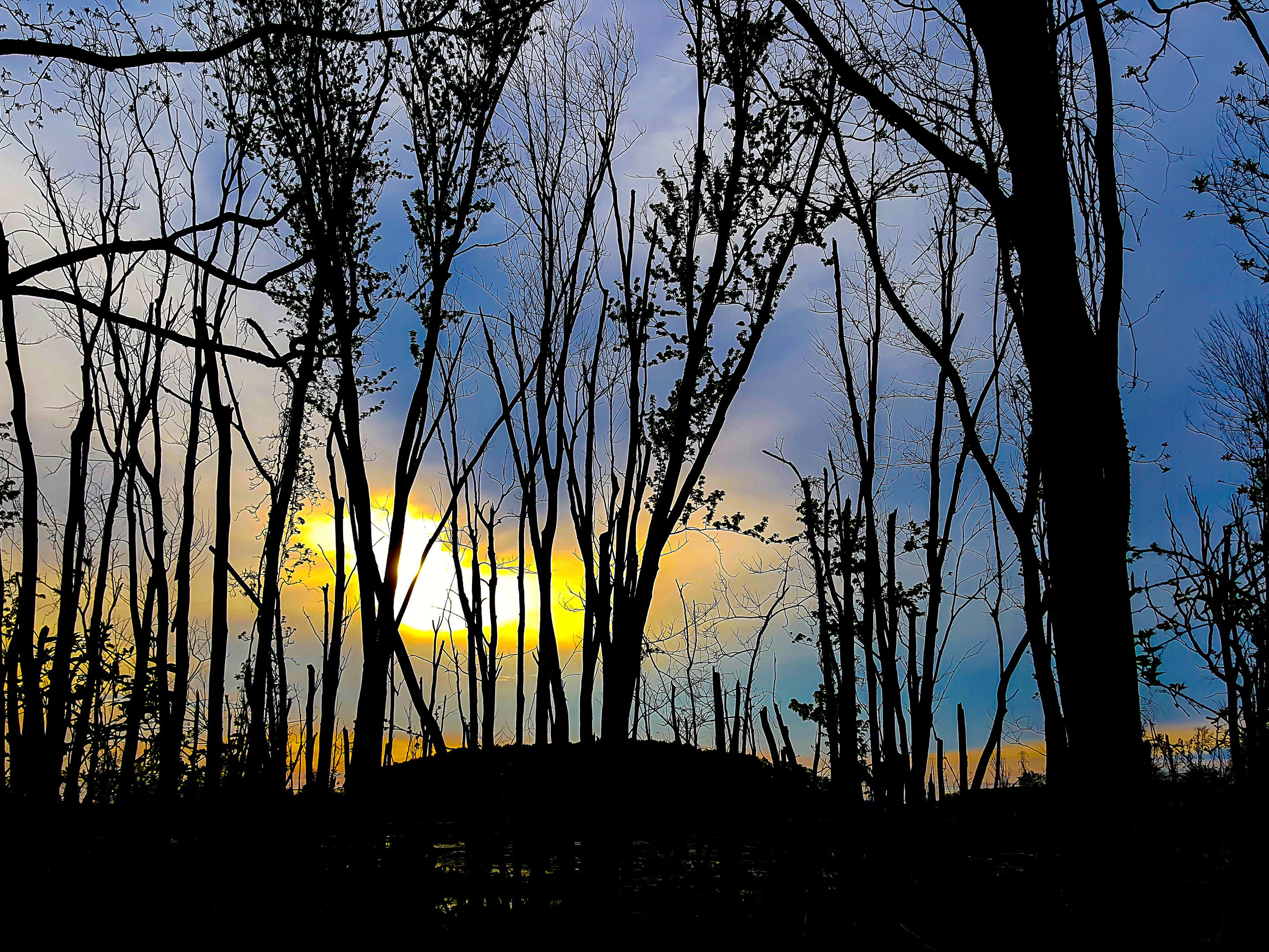
Photons
2019
An image is painted with photons that originate in our star's core before spending 100,000 years to reach its surface. After another eight-minute voyage, the photons illuminate an object on the Earth and reflect. Then they enter an imaging device through its glass and hit the sensor to paint the image. The image then goes through millions of processing cycles in a camera's processor and the photographer's development machine to render what we finally see. That is the story of photons!
Images on this page are about the creator of those photons that bathe our planet every morning.
The Poet who Knew Infinity
2020
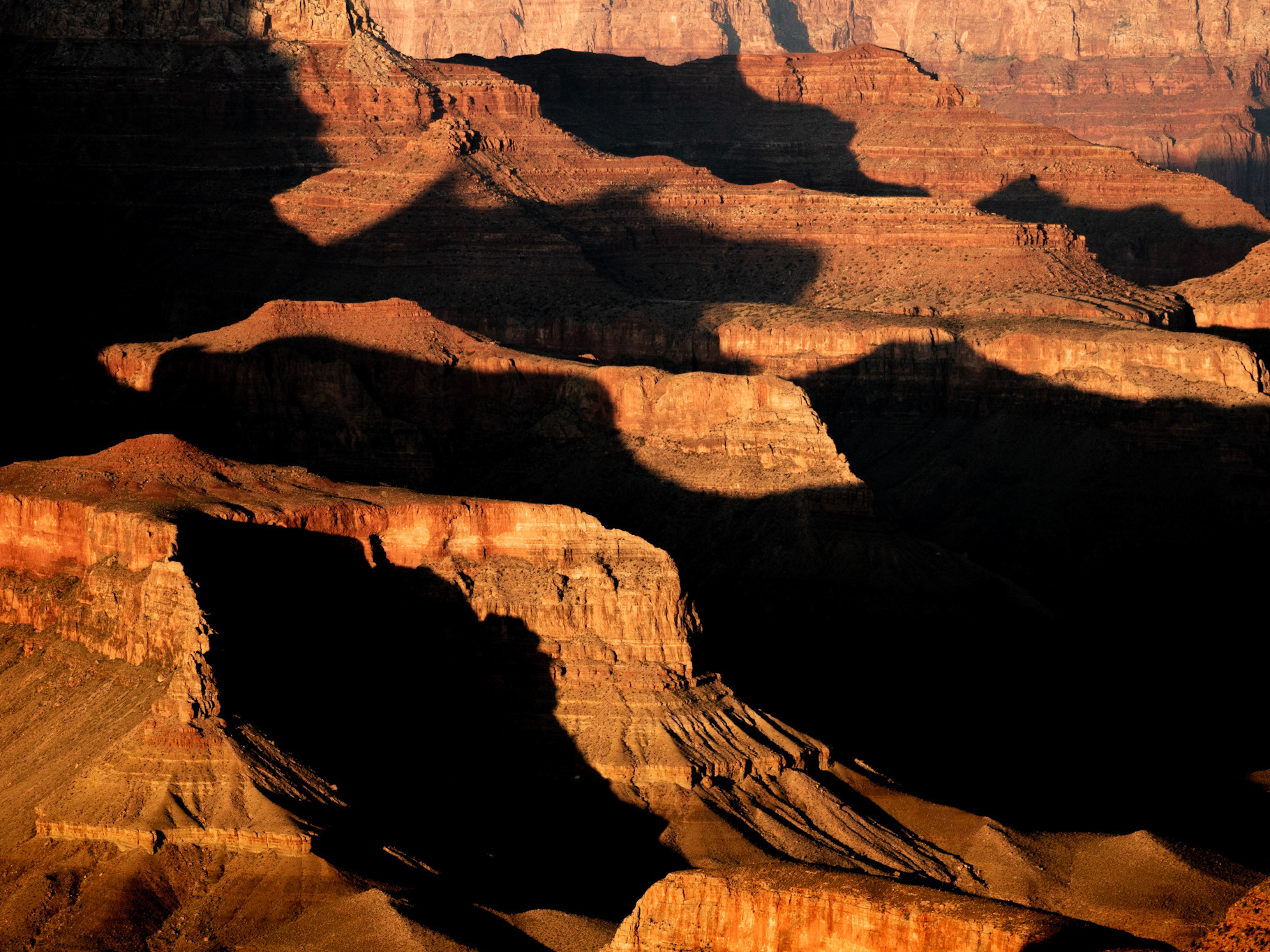
He saw the rhythms and patterns in all beings and inanimate objects as parts of a connected web of infinity. He promised the comfort of permanence through his odes of impermanence in nature, in us, and in the infinity of this universe. Much of his seemingly endless amount of poetry is about finding limitlessness in the ephemeral rhythms and patterns we experience everyday. His work instruments a unique way of mindfully observing existence, moment by moment, and identifying it as part of a calm and comforting eternity. This page contains a few of Gurudeb Rabindra Nath Tagore’s songs. The audio is overlaid with some of my images and footages that captured emotions evoked in me while listening to those songs.
Perspective Anthropomorphization
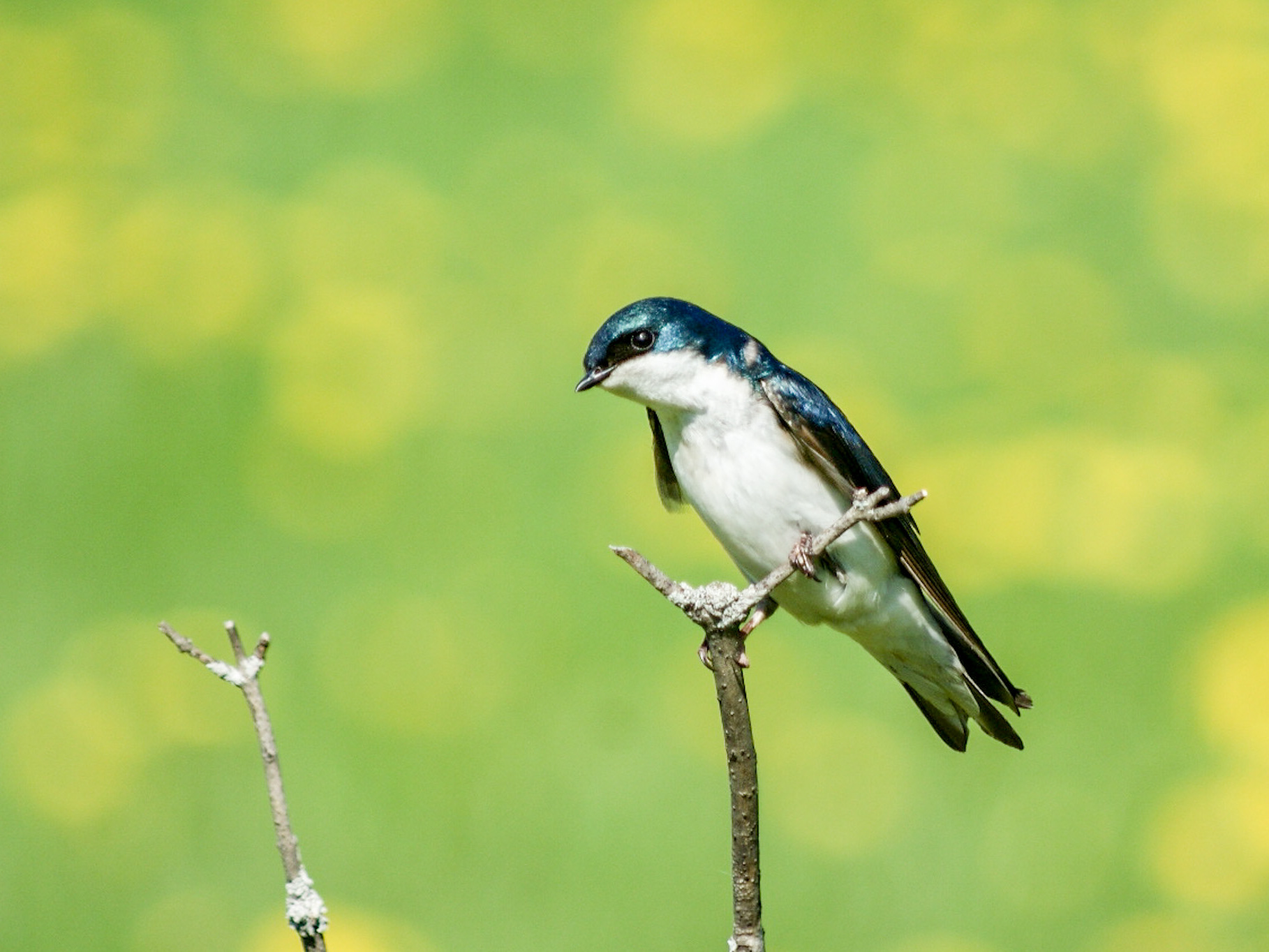
2020
While wandering through the woods and wetlands and lake shores, I often think about how the other creatures would view what I am witnessing. When a beautiful moment in nature makes us, the humans, merge into it, how does it appear to the birds, squirrels, serpents, insects, and their likes. Even if our science would understand the neurochemistry of their brain during those moments, we may never know the experiential parts of it. These thoughts often lead me to anthropomorphize their perspectives by orienting the camera in angles that are close to their viewpoints. Sometimes, the perspective in an old footage can also appear to be anthropomorphized, when looked through the filter of those thoughts. This page captures a few instances of such perspectives.